Liposuction Farmington Hills: Key Differences Between Fat Reduction and Weight Loss
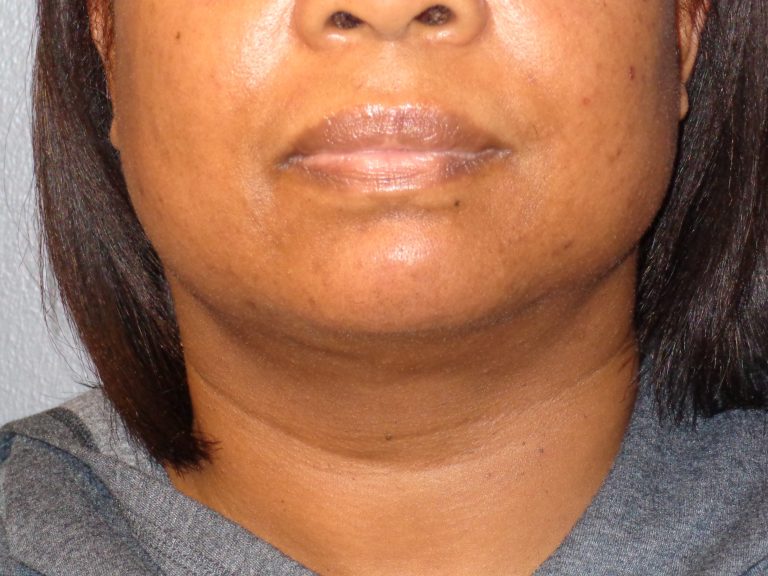
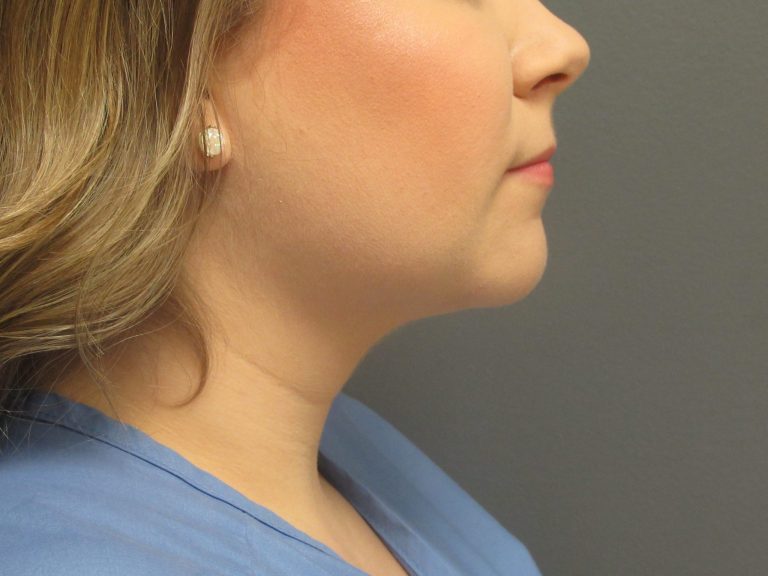
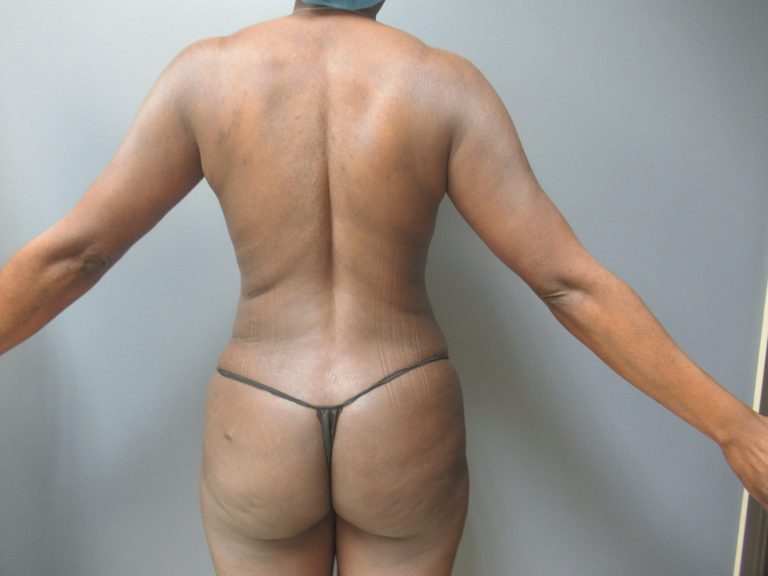
Patients often use the words "fat loss" and "weight loss" as if they mean the same thing. In a medical setting, they do not. That distinction matters a great deal when someone starts asking about liposuction, especially if they have spent years dieting, exercising, and watching the scale move far less than they hoped.
In consultations, one of the most common disconnects happens right at the beginning. A patient comes in saying they want to "lose 30 pounds with liposuction," when what they are really seeking is a leaner waistline, smoother flanks, or a better fit in clothing. Those are body contouring goals. They are not the same as the goal of reducing total body mass. Once that difference becomes clear, people usually make better decisions and feel less disappointed afterward.
For anyone researching Liposuction Farmington Hills options, the most useful starting point is this: liposuction is a contouring procedure, not a substitute for broad, medically driven weight reduction. It removes targeted fat deposits from specific areas. Weight loss changes overall body weight, usually through calorie deficit, medication, metabolic shifts, surgery, or a combination of those factors. The overlap exists, but it is limited.
What liposuction is really designed to do
Liposuction removes fat cells from selected areas of the body through a surgical technique that uses a thin tube called a cannula. The goal is to reshape, refine, and rebalance proportions. In practical terms, that may mean reducing fullness in the lower abdomen, softening "love handles," contouring the outer thighs, or improving the line between the chin and neck.
That sounds straightforward, but there is an important nuance. Surgeons are not simply vacuuming away "extra weight." They are sculpting around anatomy, skin elasticity, muscle tone, and natural body proportions. Good liposuction requires judgment. Remove too little and the patient may not see enough change. Remove too much or remove unevenly, and the result can look unnatural or irregular.
The best outcomes tend to happen in patients who are already reasonably close to their stable, maintainable weight but have stubborn pockets of fat that Liposuction Farmington HIlls do not respond well to lifestyle changes. Almost every experienced surgeon has met the patient who says, "I can lose weight everywhere except this one area." Sometimes that is the lower belly after pregnancy. Sometimes it is the upper arms, the flanks, or the inner thighs. Those are classic contouring complaints.
Liposuction can create dramatic visual change in the right person, but the drama usually shows up in shape, not in scale weight. A patient may lose only a few pounds of aspirated fat yet look one or even two clothing sizes smaller in the treated area. That mismatch surprises people until they see it with their own eyes.
Weight loss works by a different mechanism
Weight loss is a whole body process. It happens when the body uses more energy than it takes in, or when hormones, medications, or surgical changes alter appetite, absorption, or metabolism enough to reduce total body mass over time. The scale goes down because the entire system shifts.
That shift may involve loss of fat, but it can also involve changes in water, glycogen, and even lean muscle mass. Anyone who has started a new nutrition plan knows how quickly the first few pounds can move, and how little that sometimes tells you about body composition. A person can lose ten pounds and still feel soft around the waist. Another can lose very little scale weight but look noticeably tighter because they preserved muscle and reduced body fat percentage.
This is why weight loss and fat reduction should not be used interchangeably. Weight loss is broad. Fat reduction through liposuction is local.
There is also a time element. Weight loss usually unfolds over weeks, months, or longer. Liposuction delivers a more immediate structural change to treated areas, though final results still take time because swelling can linger for several weeks and, in some cases, months. Patients often expect instant definition. Real recovery has a slower arc than before and after photos suggest.
Why the scale can be misleading after liposuction
Many patients assume that if fat is being removed surgically, the scale should drop substantially right away. Sometimes it does not. Early swelling and retained fluid can temporarily mask the change. In addition, the actual volume removed may be enough to alter silhouette significantly without producing a headline-grabbing change in total body weight.
A useful example is abdominal liposuction in a patient with a concentrated lower belly bulge and flank fullness. If that patient starts at 170 pounds and has a few liters of fat removed, the visible contour may improve much more than the number on the scale would suggest. Their waistline may narrow, their pants may close more comfortably, and their profile in fitted clothing may look cleaner. But if they expected to wake up 20 pounds lighter, they will feel let down, even if the surgery technically went well.
That is not a failure of the procedure. It is a failure of framing.
Surgeons who spend time setting expectations usually explain the procedure in visual terms rather than scale terms. They talk about proportion, shape, and how the body carries volume. That conversation tends to produce happier patients because it matches what liposuction can actually deliver.
The role of fat cells, and why removal matters
The body stores energy in fat cells, and their distribution is influenced by genetics, hormones, age, and sex. Some areas are simply more resistant. Anyone who has watched a patient's body change over decades sees this clearly. One person gains in the abdomen first. Another stores in the thighs and hips. Another carries fullness under the chin despite otherwise modest body fat.
When liposuction removes fat cells from a region, those specific cells are gone. That is one of the reasons the procedure can produce durable contour change. The treated area often stores fat differently afterward, assuming the patient maintains a relatively stable weight.
That does not mean future weight gain becomes impossible. It means the body may regain more diffusely or in other untreated areas rather than returning in exactly the same pattern. Patients should understand both sides of that truth. Liposuction offers permanence in cell removal, but it does not grant immunity from weight gain.
This becomes especially relevant when someone sees liposuction as an alternative to developing sustainable habits. If a patient gains a substantial amount of weight after surgery, the result can blur. The contour improvement may still be better than before, but it rarely looks as crisp as it did during the stable postoperative period.
Who usually benefits most from liposuction
The ideal candidate is not the same as the ideal weight loss patient. Liposuction tends to serve people who have reached a fairly steady point and want refinement rather than rescue. They often describe the frustration of doing many things right and still disliking a few stubborn areas.
In practice, strong candidates often share a handful of traits:
- They are near a realistic goal weight and have maintained it for several months.
- They have localized fat deposits rather than generalized obesity.
- Their skin has enough elasticity to retract after fat removal.
- They understand that contour change matters more than pounds lost.
- They are healthy enough for surgery and recovery.
Skin quality deserves more attention than it usually gets online. If the skin is loose, thin, or significantly stretched, removing fat alone can leave the area looking deflated rather than tighter. This is why two patients with the same amount of abdominal fullness can need very different treatments. One may do well with liposuction alone. Another may need skin excision, such as a tummy tuck, because the issue is not just fat. It is laxity.
Pregnancy often brings this distinction into sharp focus. A patient may point to the lower abdomen and assume all of the fullness is fat. On examination, the problem may also include stretched skin and separation of the abdominal muscles. Liposuction can help contour the surrounding fat, but it cannot repair muscle separation, and it cannot make markedly loose skin behave like tight skin again.
Why liposuction is not a treatment for obesity
This point cannot be overstated. Liposuction is not an obesity treatment. It does not address the metabolic, hormonal, behavioral, or cardiovascular dimensions of excess body weight. It can improve body shape in people with overweight or obesity, but it is not the primary medical answer when the health goal is substantial weight reduction.
A patient with a body mass index far above the ideal range may still be interested in body contouring, but the sequence matters. In many cases, the better path is to focus first on medically supervised weight loss, nutrition, exercise, perhaps anti-obesity medications, and sometimes bariatric surgery when appropriate. Once weight stabilizes, contouring decisions become clearer and results are often more satisfying.
There is also a safety component. Larger volume liposuction carries more risk and requires thoughtful patient selection, surgical planning, and postoperative care. Experienced surgeons understand these limits and do not promise that a contouring procedure can do the work of a broad weight loss strategy.
Patients sometimes resist this distinction because it feels discouraging. They want one procedure to solve the whole problem. That is understandable. It is also rarely realistic.
What changes after fat reduction, and what does not
After successful liposuction, the treated region usually looks slimmer and more balanced. Clothing may drape better. Waistbands may sit differently. Angles and transitions between body areas may appear cleaner. People often notice the result most when they wear structured clothing, swimwear, or anything fitted through the midsection.
What does not necessarily change is overall fitness, metabolic health, blood pressure, insulin resistance, or endurance. If someone loses fat from the abdomen surgically, that does not mean they have improved the same health markers that often improve with sustained weight loss and exercise. Those benefits still come from broader lifestyle and medical management.
This is where honest preoperative counseling helps. Liposuction may help a patient feel more at ease in their body. That is not trivial. Confidence and comfort matter. But the procedure should not be sold as if it replaces the health benefits of improved nutrition, regular movement, quality sleep, and long-term weight stability.
Recovery expectations matter as much as surgical expectations
People tend to focus on the result and ignore the recovery. Then the first week arrives. There is swelling, drainage, soreness, compression garments, and a body that looks temporarily worse before it looks better. For some patients, this is the emotional low point. They expected a quick reveal and instead get a reminder that surgery is still surgery.
Most return to light activity fairly soon, but full settling takes longer. Bruising usually improves within a couple of weeks. Swelling can persist in layers, with some areas looking nearly normal while deeper tissues still feel firm or Liposuction Farmington HIlls puffy. The final contour often continues refining over several months.
An experienced surgeon will discuss this timeline in realistic terms. They will also talk about the possibility of asymmetry, contour irregularities, numbness, and the fact that no human body is perfectly even before or after treatment. Some of the most disappointed patients are not those with poor outcomes. They are those who expected a flawless one.
For readers searching specifically for Liposuction Farmington Hills services, this is one of the best questions to bring into a consultation: how does the surgeon define a good result in a body like mine? The answer reveals a lot about their judgment. If the conversation is all marketing language and no nuance, keep looking.
A practical way to think about the difference
One simple way to separate the two concepts is to ask what bothers you most.
If your main frustration is the scale, declining stamina, rising lab values, or a sense that your whole body feels heavier and less healthy, then your core issue is likely weight management. If your main frustration is that your weight is relatively stable but certain areas still bulge in ways that distort your shape, then liposuction may fit more naturally into the picture.
Sometimes both are true. A patient may want to lose twenty pounds overall and also know that even at their lightest, they have always carried fullness in the flanks. In that case, the sequence matters. It often makes sense to lose the intended weight first, maintain it, and then decide whether targeted contouring is still desired.
That approach avoids a common mistake, which is doing liposuction too early and then changing the body significantly afterward through weight loss. When body weight drops after surgery, the treated area may still look better than before, but the final contour can be less predictable than if the surgery had been done at a stable baseline.
Questions worth bringing to a consultation
A good consultation should leave you clearer, not more dazzled. Consider asking:
- Am I a better candidate for liposuction now, or after additional weight loss?
- Is my concern mostly fat, mostly loose skin, or a combination of both?
- What kind of contour change is realistic for my anatomy?
- How much swelling should I expect, and how long until I see final results?
- If I gain or lose weight later, how might that affect the result?
Notice that none of these questions ask how many pounds you will lose. That is deliberate. The better question is how your shape is likely to change, and whether that change lines up with your real goal.
The emotional side of expectations
Body image conversations are rarely just technical. People attach meaning to certain areas of the body. The lower abdomen may represent childbirth, aging, or years of feeling self-conscious in clothes. The neck may make someone feel older than they are. The thighs may shape how they shop, dress, and move through social settings.
A thoughtful surgeon recognizes that emotional layer without exploiting it. They listen for the difference between a reasonable desire for refinement and a hope that surgery will fix deeper dissatisfaction. Liposuction can improve contour. It cannot repair self-worth, relationship strain, or the normal discomfort of living in a body that changes over time.
Patients usually do best when they want improvement rather than transformation. They are looking for a body that feels more like their own, not a body that erases every insecurity. That mindset tends to support better choices and more durable satisfaction.
How to judge whether liposuction fits your goal
Start by being brutally specific about what success looks like. If success means a lower number on the scale, then liposuction may not be the most direct path. If success means a flatter lower abdomen, a more defined waist, less fullness under the chin, or better balance between the hips and torso, the procedure may deserve a closer look.
Look at your recent history too. Has your weight been stable for at least several months? Do you have localized areas that remain out of proportion despite consistent effort? Is your skin quality good enough to contract well? Are you prepared for recovery, compression, and waiting out the swelling? Those questions usually tell the truth faster than online galleries do.
The phrase Liposuction Farmington Hills may lead you to dozens of websites, each promising confidence and sculpted results. The more useful filter is simpler. Find a surgeon who explains where liposuction stops, not just where it shines. A careful discussion of limits is often the strongest sign that you are getting sound advice.
When patients understand the difference between fat reduction and weight loss, they walk into surgery with better expectations and usually walk out happier with the result. That is not because the procedure changed. It is because the goal finally matched the tool.
Aesthetic Plastic Surgery & Laser Center, Michelle Hardaway M.D.
27920 Orchard Lake Rd
Farmington Hills, MI 48334
(248) 221-1957
FAQ About Liposuction Farmington Hills
What disqualifies you from getting liposuction in Farmington Hills?
A surgeon may recommend postponing or avoiding liposuction if a health condition, medication, or nicotine use raises the risk of surgery or poor healing. A consultation is needed to assess your medical history and whether the procedure fits your goals.
Can liposuction remove 20 pounds?
Liposuction is a body contouring procedure for localized fat. It is not a weight loss treatment, and a specific number of pounds is not a safe or useful target. The surgeon determines how much can be removed safely for each patient.
What are the risks of liposuction?
Risks include infection, changes in sensation, uneven contours, and complications from anesthesia or blood clots. A plastic surgeon can explain which risks apply to you and what to expect during recovery.