Liposuction Farmington Hills: Understanding the Procedure Step by Step
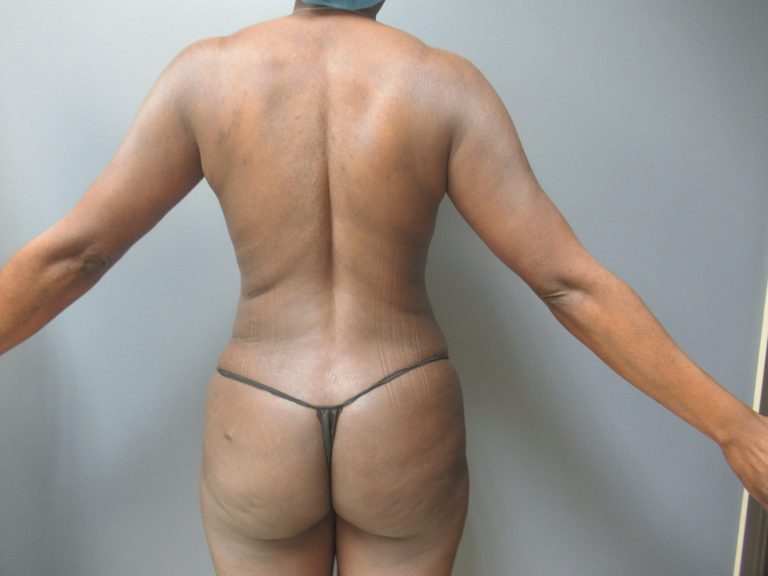
Liposuction is one of those procedures that many people think they understand until they sit down for an actual consultation. From a distance, it can seem simple: remove fat, contour the body, recover, and move on. In real practice, it is more nuanced than that. Good liposuction is not weight-loss surgery. It is sculpting. It is careful judgment about where fat should come out, how much should come out, and how the overlying skin is likely to respond once that volume is gone.
For patients considering Liposuction Farmington Hills options, the most useful starting point is not a gallery of dramatic before-and-after photos. It is understanding the procedure step by step, from the first office visit through healing and final results. That kind of clarity leads to better decisions, better expectations, and usually a smoother recovery.
What liposuction is really designed to do
Liposuction targets localized fat deposits that have not responded the way you hoped to diet and exercise. Common treatment areas include the abdomen, flanks, outer thighs, inner thighs, upper arms, back, under the chin, and sometimes the chest in men. The goal is not a smaller number on the scale. In many cases, the scale barely changes as much as patients expect. What changes is shape.
That distinction matters. Someone can be physically fit, have a stable weight, and still carry fullness around the waist or under the chin that makes clothing fit poorly or creates imbalance in body proportions. On the other hand, someone hoping liposuction will solve generalized obesity is likely to be disappointed. Surgeons who do this well spend a lot of time redirecting patients toward the right treatment, even when that means saying no to surgery.
Skin quality also plays a major role. If skin is firm and elastic, it often redrapes reasonably well after fat removal. If skin has significant laxity, stretch, or weakened recoil, liposuction alone may leave loose tissue behind. That is one of the most common misunderstandings in body contouring. People often see fullness and assume the problem is fat, when the bigger issue may be skin.
Who tends to be a good candidate
A strong candidate for liposuction usually has a few features in common: relatively stable weight, realistic expectations, and specific contour concerns rather than a desire for broad weight reduction. Surgeons also look at medical history, smoking status, prior surgeries, circulation issues, and whether the patient can recover responsibly.
The best results often happen in patients who are already doing many things right. They exercise, they eat reasonably well, and they are frustrated by one or two stubborn areas that seem genetically determined. I have seen patients who can run five miles, maintain a healthy routine, and still carry fullness at the lower abdomen or outer thighs that simply does not budge. Those patients often understand the purpose of the procedure better than anyone.
There are also patients who need a different conversation. After pregnancy, for example, abdominal fullness may involve skin laxity, muscle separation, and fat all at once. In that setting, liposuction may help, but it may not address the full picture. A tummy tuck, or no surgery at all, may be the more honest answer depending on the anatomy and goals.
The consultation, where the real planning happens
The consultation is where a responsible surgeon decides whether liposuction makes sense and how to do it safely. This is not just a courtesy meeting. It is an assessment of anatomy, risk, and expectations.
During this visit, the surgeon typically examines the areas that concern you while standing, because contour problems are easiest to judge that way. They will often pinch the soft tissue, assess thickness, and look at symmetry, skin elasticity, and existing irregularities. Prior scars matter. So does a history of significant weight loss. Even the way fat is distributed can suggest whether a patient will need modest refinement or a more extensive contouring plan.
This is also the point where patients should be candid. If your weight fluctuates ten or fifteen pounds throughout the year, say so. If you are planning a pregnancy, say so. If you are taking supplements, using nicotine, or have had blood clots in the past, bring it up. Details that seem minor can change surgical recommendations.
A useful consultation does not feel like a sales Liposuction Farmington HIlls pitch. It feels specific. You should come away understanding not only what the surgeon can do, but what they would avoid doing and why.
Questions worth asking before you schedule
A consultation can move quickly, especially if you are nervous. It helps to arrive with a short list of practical questions. The strongest answers are usually direct, unhurried, and grounded in your anatomy rather than generic promises.
- Am I a good candidate for liposuction alone, or would another procedure address my goals better?
- Which areas can be treated safely in one session?
- What kind of anesthesia will be used, and where will the procedure take place?
- What should I realistically expect in the first six weeks, not just the final result?
- How do you handle contour irregularities or touch-ups if healing is uneven?
Those questions tend to reveal a lot. A careful surgeon will talk openly about limitations, swelling, asymmetry, and the possibility that perfect smoothness is not always possible in human tissue.
Preoperative preparation, the part patients often underestimate
Once surgery is scheduled, the next phase is preparation. This tends to sound routine on paper, but it has a direct effect on safety and comfort. Patients usually receive instructions about medication adjustments, smoking cessation, fasting if anesthesia requires it, postoperative garments, and transportation home.
Nicotine deserves special attention. Even occasional smoking or vaping can impair circulation and healing. Many practices require patients to stop well in advance. The same goes for certain medications or supplements that may increase bleeding risk. Aspirin, ibuprofen, fish oil, vitamin E, and herbal products are common examples that often need review, though patients should always follow their surgeon’s specific guidance rather than making assumptions.
It is also smart to prepare your home before surgery. Set out loose clothing, fill prescriptions ahead of time, keep water and easy meals available, and arrange help if needed. Patients who treat recovery as an afterthought often create avoidable stress for themselves during the first forty-eight hours.
Marking the body before surgery
On the day of surgery, one of the most important moments happens before the first incision. The surgeon marks the body while you are standing. These markings are not cosmetic doodles. They are a road map. They show bulges, depressions, transitions, asymmetries, and areas where contour must be blended carefully.
Body contouring looks very different when a patient is lying flat on an operating table. Tissue shifts. Gravity changes shape. Without thoughtful standing markings, it is easier to over-treat one area or miss the true boundaries of the problem.
This is part of why surgical artistry gets mentioned so often in liposuction. The surgeon is not just removing volume. They are trying to create a smooth, natural contour that fits the surrounding anatomy.
Anesthesia and what happens once the procedure begins
Liposuction can be performed under local anesthesia with sedation, or under general anesthesia, depending on the size and number of treatment areas, patient preference, and surgical setting. Small, focused areas may sometimes be treated with lighter anesthesia. Larger or multiple areas often require more comprehensive anesthesia for safety and comfort.
Once the patient is prepared, a solution is infused into the treatment area. This is often called tumescent fluid. It typically contains sterile fluid, medication to constrict blood vessels, and local anesthetic. The purpose is practical: reduce bleeding, improve comfort, and help the fat separate for removal.
Small incisions are then made in discreet locations whenever possible. Through these openings, the surgeon inserts a thin tube called a cannula. The cannula is moved through the fatty layer in controlled passes to break up and suction out fat. This is where experience shows. Aggressive removal can create dents, waviness, or uneven transitions. Overly conservative removal may leave little visible improvement. Good results usually come from restraint and precision rather than brute force.
Step by step through the actual liposuction process
While each practice has its own workflow, most liposuction procedures follow the same broad sequence.
- The surgeon marks the treatment areas while you are standing.
- Anesthesia is administered, and the skin is cleansed and prepared in a sterile setting.
- Tumescent fluid is placed into the fatty tissue to reduce bleeding and improve comfort.
- Fat is removed with a cannula through small incisions, with constant attention to symmetry and contour.
- The incisions are closed or left partially open depending on technique, then compression garments are applied.
That sequence sounds straightforward, but timing varies. A small area under the chin is a very different operation from contouring the abdomen, flanks, and thighs together. Procedure length can range from well under an hour to several hours depending on complexity.
Different techniques, same central goal
Patients often hear terms like tumescent liposuction, power-assisted liposuction, ultrasound-assisted liposuction, or laser-assisted liposuction. The names can make the field sound more complicated than it needs to be.
At the core, all of these approaches aim to remove fat and improve contour. The differences lie in how the fat is disrupted and how the surgeon works through the tissue. Power-assisted devices use rapid mechanical motion to help the cannula move efficiently. Ultrasound-assisted methods use energy to emulsify fat in selected cases. Some technologies may be useful in fibrous areas, such as the back or male chest, or in revision cases where scar tissue makes treatment harder.
Patients sometimes focus heavily on choosing a device, when the more important factor is usually the surgeon’s judgment and experience with that device. Tools matter, but technique matters more. A sophisticated machine in unskilled hands will not outperform a well-executed standard approach.
Right after surgery, what the first few days feel like
Most patients feel sore, swollen, and tight rather than sharply painful. The sensation is often compared to a strong workout layered with bruising. Compression garments are typically worn to help control swelling and support the tissues as they heal. Drainage of fluid from the small incisions can happen early on, especially with tumescent techniques, and although it can be surprising if you are not expecting it, it is often normal.
Walking is encouraged early, usually the same day. Not exercise, just gentle movement. That small amount of activity supports circulation and lowers the risk of complications. Most patients do not feel like themselves immediately, and that is normal. The first several days are usually the least glamorous part of the process.
Swelling can distort expectations. A patient may look puffier at one week than they imagined, or uneven from side to side. That does not necessarily signal a problem. Healing after liposuction is gradual, and tissues settle over time. Some areas soften quickly. Others stay firm or lumpy for weeks before smoothing out.
The recovery timeline in real terms
People often want a simple answer to recovery: “When will I be back to normal?” The honest answer depends on what was treated and how your body heals.
Many patients return to desk work within several days to a week, especially after smaller procedures. Physically demanding jobs may require more time. Bruising often peaks early and then fades over two to three weeks, though traces can linger longer. Swelling improves in stages, not all at once. A meaningful change is often visible by one month, but the contour usually continues refining for several months. Final results can take three to six months, sometimes longer in larger cases.
One pattern surprises patients repeatedly. The front end of recovery is about discomfort and logistics. The middle is about patience. You are functional, but the result is not final. The back end is where shape becomes more polished and the reason for all that patience starts to make sense.
Risks and trade-offs that deserve plain language
No surgical procedure is risk-free, and liposuction is no exception. The most common issues are not usually dramatic emergencies but contour-related concerns such as unevenness, asymmetry, residual fullness, or minor rippling. Swelling, bruising, numbness, firmness, and temporary drainage are also common parts of recovery.
More serious complications, while less common, can include infection, bleeding, fluid accumulation, poor wound healing, changes in sensation, anesthesia-related problems, and blood clots. Very large-volume liposuction carries additional considerations and should be approached with particular caution.
There is also the trade-off between doing more and doing less. Some patients ask for maximal fat removal because they want the biggest possible change in one surgery. But aggressive removal increases the risk of irregularities and may not respect the limits of the blood supply or the skin’s ability to contract. Conservative surgery can occasionally leave a patient wanting more. The art lies in choosing the zone where improvement is meaningful and the tissue still looks natural.
How results are maintained over time
Liposuction removes fat cells from treated areas, but that does not make the body immune to future weight gain. Remaining fat cells can still enlarge. If a patient gains significant weight after surgery, contour changes may blur. Sometimes the treated areas still look relatively improved compared with untreated zones, but the polished definition is often reduced.
The patients who hold their results best tend to keep their weight within a fairly narrow range. They do not need perfection. They need consistency. Regular movement, realistic eating habits, hydration, and adequate sleep do more for long-term contour than any compression garment ever will.
Hormonal changes, aging, pregnancy, and menopause can also shift body composition over time. That does not mean surgery failed. It means the body continues to live a normal life after the procedure.
Choosing a provider in Farmington Hills
If you are exploring Liposuction Farmington Hills practices, look beyond advertising language. A polished website may tell you very little about judgment, complication management, or aesthetic restraint. The more useful indicators are board certification, the quality and consistency of results, the depth of the consultation, and whether the surgeon seems willing to say no when appropriate.
Pay attention to whether they evaluate your skin, not just your fat. Notice whether they talk about recovery in practical terms. See if they explain trade-offs instead of promising perfection. If every answer sounds effortless, be skeptical. Surgery can be worthwhile and still require honesty.
A local advantage matters too. Follow-up care is easier when your surgeon is nearby, especially if you have questions about swelling, garments, scar care, or whether a healing change is normal. Body contouring is not finished when the suction turns off. Postoperative oversight is part of the procedure.
Costs, and why the cheapest quote can become expensive
Liposuction pricing varies according to treatment area, surgical time, anesthesia, facility fees, garments, and postoperative care. A small isolated area will naturally cost less than multi-area contouring. Revision work can cost more because scar tissue makes the procedure more demanding.
Patients are often tempted to compare quotes as if they were comparing the same service. They usually are not. A lower fee may reflect less time, fewer areas, a different anesthesia setup, less follow-up, or a more limited plan. It may also reflect a provider whose experience level does not match the complexity of the case.
Value in surgery is not just the initial bill. It includes safety, planning, result quality, and the likelihood that you will not need corrective work later.
A few practical realities patients are glad they heard early
There are certain truths about liposuction that patients appreciate hearing before surgery rather than after it. Compression garments are helpful, but they are not comfortable at first. Sleeping can be awkward depending on the area treated. You may feel emotionally impatient before you feel physically recovered. One side may seem to heal faster than the other. Numb spots can persist longer than expected. None of that necessarily means something has gone wrong.
Another reality is that small imperfections can exist even in very good results. Human bodies are not machine-made. Many patients start the process with subtle asymmetry they have never noticed until a surgeon points it out under bright lights in front of a mirror. Surgery can improve shape dramatically, but it does not erase anatomy.
That is why the best mindset combines optimism with realism. Liposuction can create better proportion, sharper transitions, and a more comfortable fit in clothing. It can also leave behind the normal signatures of a living body.
What most successful patients have in common
The happiest liposuction patients are not always the ones who remove the most fat. They are usually the ones who understand the assignment. They know what bothers them, they choose the right procedure for the right reason, and they allow time for healing. They do not expect a transformed life by next weekend. They expect a more refined version of their own shape over the next several months.
That perspective makes a difference. It leads to better consultations, steadier recoveries, and less disappointment during the swollen middle phase when the result is still unfolding.
For anyone considering Liposuction Farmington Hills treatment, the clearest path forward is a thorough consultation with a qualified surgeon who will examine your anatomy honestly and map out a plan that fits your goals. Once you understand the procedure step by step, the decision becomes far less mysterious. It becomes what it should be: a careful, informed choice about whether body contouring matches the result you truly want.
Aesthetic Plastic Surgery & Laser Center, Michelle Hardaway M.D.
27920 Orchard Lake Rd
Farmington Hills, MI 48334
(248) 221-1957
FAQ About Liposuction Farmington Hills
What disqualifies you from getting liposuction in Farmington Hills?
A surgeon may recommend postponing or avoiding liposuction if a health condition, medication, or nicotine use raises the risk of surgery or poor healing. A consultation is needed to assess your medical history and whether the procedure fits your goals.
Can liposuction remove 20 pounds?
Liposuction is a body contouring procedure for localized fat. It is not a weight loss treatment, and a specific number of pounds is not a safe or useful target. The surgeon determines how much can be removed safely for each patient.
What are the risks of liposuction?
Risks include infection, changes in sensation, uneven contours, and complications from anesthesia or blood clots. A plastic surgeon can explain which risks apply to you and what to expect during recovery.