Liposuction Michigan: Answers to the Most Common Patient Questions
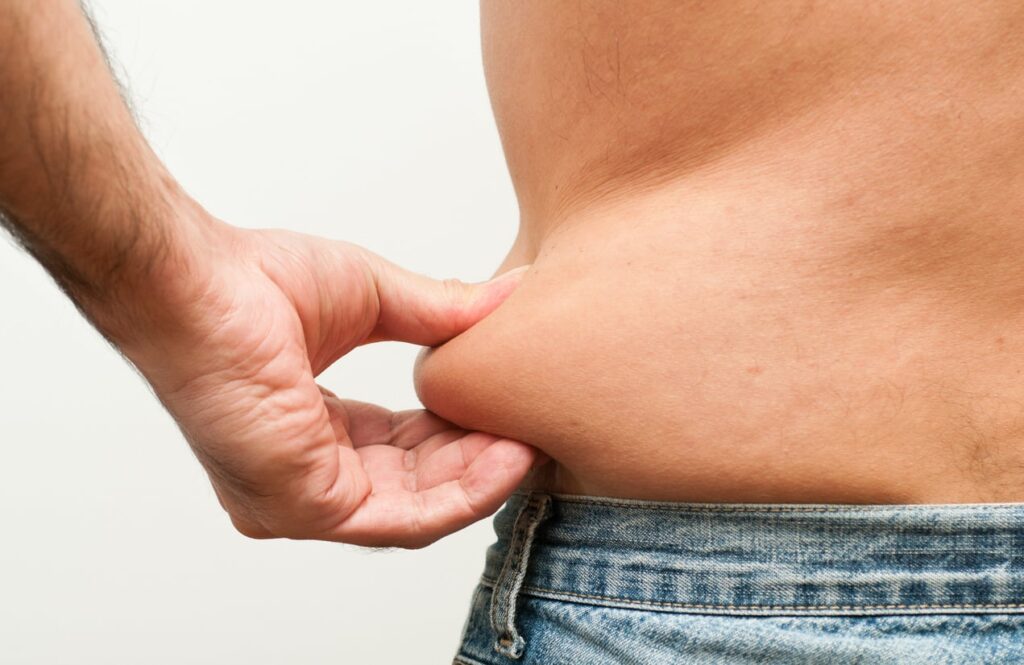
Interest in body contouring tends to come in waves. A patient notices the same stubborn fullness at the lower abdomen year after year, despite weight loss. Another has done the work after pregnancy and still cannot shake the pockets at the flanks. Someone else is generally happy with their shape but wants the jawline, upper arms, or inner thighs to look more defined in clothing. That is usually when the questions start, and for people researching Liposuction Michigan, the same themes come up again and again.
Most patients are not asking whether liposuction exists or what the word means. They want to know whether it actually works for someone like them, what recovery really feels like, how much change is realistic, and whether the result will still look natural six months later. They also want straight answers about risk, cost, scarring, and how to choose a surgeon without being swayed by marketing language.
The most useful conversations about liposuction are grounded in specifics. Liposuction is not a wellness trend or a substitute for long-term weight management. It is a surgical contouring procedure designed to remove localized fat deposits and improve shape. Done thoughtfully, it can produce elegant, proportionate changes. Done on the wrong patient, or with the wrong goals, it can disappoint even when the procedure itself technically goes well.
What liposuction can and cannot do
The single biggest misconception is that liposuction is a weight-loss procedure. It is not. Patients often come in hoping to lose a clothing size everywhere, or to solve a pattern of weight gain that is actually hormonal, metabolic, or lifestyle related. Liposuction is most effective when body weight is relatively stable and the concern is contour, not the number on the scale.
A good candidate usually has discrete areas of fat that have resisted diet and exercise. The classic examples are the abdomen, flanks, outer thighs, inner thighs, upper arms, submental area under the chin, chest in some men, and the back or bra line. If skin quality is decent and the underlying framework is favorable, liposuction can sharpen transitions and create better balance between one area and another.
What it does not do is tighten loose skin to a dramatic degree. This distinction matters. A patient in their late twenties with resilient skin and a small lower belly pouch may see smooth contraction after fat removal. A patient in their fifties with abdominal skin laxity after weight fluctuations may need a different operation entirely, such as a tummy tuck, or a combination plan. Liposuction can improve contour, but it cannot reliably erase hanging skin, significant stretch marks, or muscle separation.
Cellulite is another common point of confusion. Most cellulite is caused by fibrous bands tethering the skin, combined with fat distribution and skin quality. Standard liposuction is not a cellulite cure. In some patients the appearance remains about the same. In others, contour improvement around the area makes it less noticeable, but that is different from directly treating it.
Am I a good candidate for liposuction?
The best candidates are often not the people who want the most dramatic change. They are the patients with realistic goals, good general health, and specific contour concerns that match what liposuction does well.
Weight stability matters more than chasing an “ideal” weight. If a person is actively gaining or losing, or planning a major change in exercise habits right after surgery, the result becomes harder to predict. It is better to think of liposuction as a finishing procedure than a starting point. In practice, many surgeons like patients to be near a sustainable weight, often within a reasonable range of where they naturally maintain.
Skin quality matters almost as much as fat volume. Younger skin tends to contract better, but age alone does not decide candidacy. I have seen patients in their forties and fifties with excellent elasticity, and patients in their thirties with significant looseness after major weight changes. During consultation, a surgeon is looking at pinch thickness, recoil, texture, and how the skin drapes over the body.
Medical history also shapes the recommendation. Prior surgeries, clotting history, smoking or nicotine use, diabetes control, autoimmune issues, and medications all influence safety and healing. A candid discussion here is critical. The right surgeon will care more about whether the plan is safe than whether it is easy to sell.
Which areas are most commonly treated?
In Michigan practices, the most frequently requested areas are the abdomen and flanks. Those are the classic “I can lose weight but not this” zones. Thighs are common as well, especially outer thighs that distort the silhouette in fitted clothing or inner thighs that rub and feel bulky. Chin liposuction has also become increasingly popular because a relatively small amount of fat removal can noticeably improve profile definition.
Men often ask about the abdomen, love handles, and chest. With the chest, the key question is whether fullness is mostly fat, mostly gland, or a combination. True gynecomastia often involves glandular tissue, which liposuction alone may not fully correct. That is an area where technique selection and honest expectation-setting make a big difference.
Arms, back rolls, knees, and the area under the buttock crease are more nuanced. These can respond well in selected patients, but they demand restraint and a sharp eye for proportion. The goal is not to remove fat indiscriminately. The goal is to sculpt a natural transition that still looks like the patient, just more refined.
What is the procedure actually like?
Liposuction is usually performed in an operating room or accredited surgical facility. Depending on the number of areas treated, the volume involved, and the surgeon’s approach, it may be done under local anesthesia with sedation or under general anesthesia. There is no universal best choice for every case. A small isolated area under the chin is very different from circumferential work on the trunk and thighs.
The basic principle is straightforward. Small incisions are made in discreet locations, fluid is infused into the treatment area, and a thin instrument called a cannula is used to remove fat while shaping the contour. That simple description leaves out the part that matters most: judgment. Liposuction is not just extraction. It is controlled sculpting through layers, with constant attention to symmetry, smoothness, and how the skin is likely to settle afterward.
Patients often ask how long surgery takes. A focused case may be done in under two hours. A more involved contouring plan can take several hours. The safest answer is that operating time depends on the number of areas, complexity, and how much sculpting is required rather than a fixed schedule.
Does liposuction hurt?
This is one of the most common questions because patients imagine either unbearable pain or an oddly painless recovery. The reality sits in the middle. Most people describe the first several days less as sharp pain and more as intense soreness, swelling, stiffness, and bruising. It often feels like the aftermath of a very hard workout layered with tenderness and pressure.
Discomfort varies by area. The abdomen and flanks can feel tight and sore. Inner thighs can be surprisingly tender when walking. Chin liposuction tends to involve less downtime overall, but the compression garment and swelling can still be annoying for a week or two. Pain is usually manageable with medication, compression, movement, and patience, but no honest surgeon should present it as effortless.
One pattern worth mentioning is that patients often feel better than expected at first because of residual numbing and the structure provided by the garment. Then they hit a more uncomfortable stretch around days two through four as swelling builds. That does not mean something is wrong. It is part of the typical arc.
How long is recovery, really?
Recovery is where online summaries often oversimplify. Many patients can return to desk work in several days to a week, depending on the extent of surgery and how visible the bruising is. That does not mean they are fully recovered. They are functional, not finished healing.
Swelling is the long game. Early swelling can be dramatic, and it changes from week to week. Clothing fit may improve quickly in one area while another still feels puffy and firm. Compression garments are commonly recommended for several weeks, though protocols vary by surgeon and treatment area. Walking starts early, usually the same day or next day, because movement helps circulation and reduces stiffness. More strenuous exercise typically resumes gradually over a few weeks, depending on the case.
The emotional side of recovery is real and rarely discussed enough. Patients often feel excited the first day, then discouraged when swelling peaks and the body looks uneven or overfilled. That phase passes, but it helps to expect it. Early contour is not final contour. In many cases, a meaningful preview appears within several weeks, but the polished result may take three to six months, sometimes longer in larger cases.
Will the fat come back?
Fat cells removed by liposuction are gone from the treated area. That part is true. What needs context is what happens afterward if weight increases. Remaining fat cells in treated and untreated areas can still enlarge. So while liposuction permanently changes the architecture of the treated zone, it does not grant immunity from future weight gain.
In practical terms, patients who maintain a stable weight usually keep their contour improvement very well. Patients who gain a noticeable amount of weight may still look better than before surgery in the treated area, but the result can soften, and untreated areas may become more prominent relative to the newly sculpted zone. This is why surgeons spend time discussing timing. If a patient knows a pregnancy, major lifestyle change, or active weight-loss program is around the corner, it may be smarter to wait.
What about scars?
Scars from liposuction are usually small, often just a few millimeters, and placed in less conspicuous locations when possible. They can hide in natural creases, under underwear lines, near the belly button, beneath the chin, or in other discreet spots depending on the area treated. For most patients, they fade well.
That said, “small” Liposuction Michigan does not mean “invisible on day one,” and scar quality varies from person to person. Some patients heal with barely noticeable marks. Others are prone to darker pigmentation, prolonged redness, or thicker scars. Good wound care, sun protection, and realistic expectations matter. Anyone with a history of problematic scarring should raise that during consultation.
Is liposuction safe?
Liposuction is a common procedure, but it is still surgery, and surgery carries risk. The most important safety factors are patient selection, setting, surgeon training, and restraint. Complications can include contour irregularity, asymmetry, seroma, infection, delayed healing, numbness, blood clots, and anesthesia-related problems. Some are minor and self-limited. Others, while less common, can be serious.
Higher volume is not automatically better. More aggressive fat removal is not inherently more skilled. In fact, some of the best liposuction results come from thoughtful moderation. Overresection can leave dents, waviness, unnatural transitions, or prolonged skin adherence issues that are much harder to fix than a slightly conservative result.
When patients search for Liposuction Michigan, they should pay close attention to whether the consultation feels educational or transactional. The surgeon should evaluate medical risk, discuss alternatives, and be willing to say no. A good plan is shaped as much by what is avoided as by what is done.
How do I choose the right surgeon?
This question is more important than any discussion of brand names or trending technology. Devices and techniques matter, but they matter far less than the judgment of the person using them.
Here are five points worth taking seriously when comparing surgeons:
- Look for board certification in plastic surgery or an equivalent specialty background directly relevant to body contouring.
- Ask to see before-and-after photos of patients with body types similar to yours, not just the surgeon’s best showcase cases.
- Find out where the procedure will be performed and whether the facility is accredited.
- Pay attention to how the surgeon talks about limitations, skin quality, and trade-offs.
- Notice whether the plan feels individualized or copied from a standard sales script.
A strong consultation is usually specific. The surgeon explains why your lower abdomen may respond differently than your flanks, why your skin may or may not contract well, and whether another procedure would produce a better result. If the conversation sounds too easy, or if every patient somehow needs the same package, that is a warning sign.
What does liposuction cost in Michigan?
Pricing varies widely based on the area treated, the number of areas combined, anesthesia, facility fees, surgeon expertise, and geography. A small, focused treatment can cost far less than comprehensive body contouring involving several zones. It is more useful to think in terms of the total surgical plan rather than chasing a single advertised number.
The cheapest quote is rarely the best value. Revision liposuction is more difficult than primary liposuction, and correcting contour problems often costs more, emotionally and financially, than doing the procedure well the first time. Patients should make sure they understand what is included, whether garments and follow-up visits are covered, and what the policy is if minor touch-ups are needed.
Can liposuction be combined with other procedures?
Yes, often. Liposuction is commonly combined with a tummy tuck, breast procedures, body lift surgery, or fat transfer in selected patients. Combining procedures can make sense when one operation addresses both excess fat and excess skin, or when contour is being balanced across multiple areas.
But combination surgery is not always the better choice. More surgery means longer operative time, more Liposuction Michigan recovery, and sometimes more swelling than patients anticipate. The right decision depends on goals, anatomy, health, and how much downtime a patient can realistically manage. A staged plan can sometimes produce a safer and more refined outcome than trying to do everything at once.
What questions should I bring to my consultation?
Patients often arrive with screenshots and broad hopes, but not always with the practical questions that clarify whether surgery is a good fit. A productive consultation usually covers the procedure itself, the expected degree of improvement, the likely recovery arc, and what happens if healing is slower than average.
A few questions are especially helpful:
- Based on my skin quality, what kind of contraction do you realistically expect?
- Is liposuction alone enough, or would another procedure address my concern more effectively?
- What will the first two weeks of recovery look like for my specific case?
- How often do you perform this operation in the areas I want treated?
- If I were your family member, what would you caution me about most?
These questions tend to bring out the quality of a surgeon’s thinking. The best answers are not polished slogans. They are nuanced, sometimes cautious, and tailored to your anatomy rather than to a generic ideal.
The role of expectations
The happiest liposuction patients are not always the ones who undergo the biggest transformation. They are usually the ones whose expectations match the procedure’s true strengths. They understand that contour improvement can be significant without being theatrical. They know swelling blurs the result for a while. They accept that two sides of a human body are sisters, not twins.
One patient may be thrilled that pants fit smoothly through the waist for the first time in a decade. Another may feel disappointed because they expected a completely flat abdomen despite skin laxity that no amount of liposuction could erase. Those two outcomes often begin with the same operation and diverge because of expectation, anatomy, and communication.
For anyone considering Liposuction Michigan, the most important step is not booking quickly. It is slowing down long enough to understand whether the procedure aligns with your actual concern. If the problem is localized fat, liposuction can be a strong solution. If the problem is skin excess, muscle separation, or a goal that belongs more to overall weight loss than to contouring, another path may serve you better.
That kind of honesty is what leads to results that still feel right months later, when the swelling is gone, the photos have been forgotten, and you are simply living in your body again.
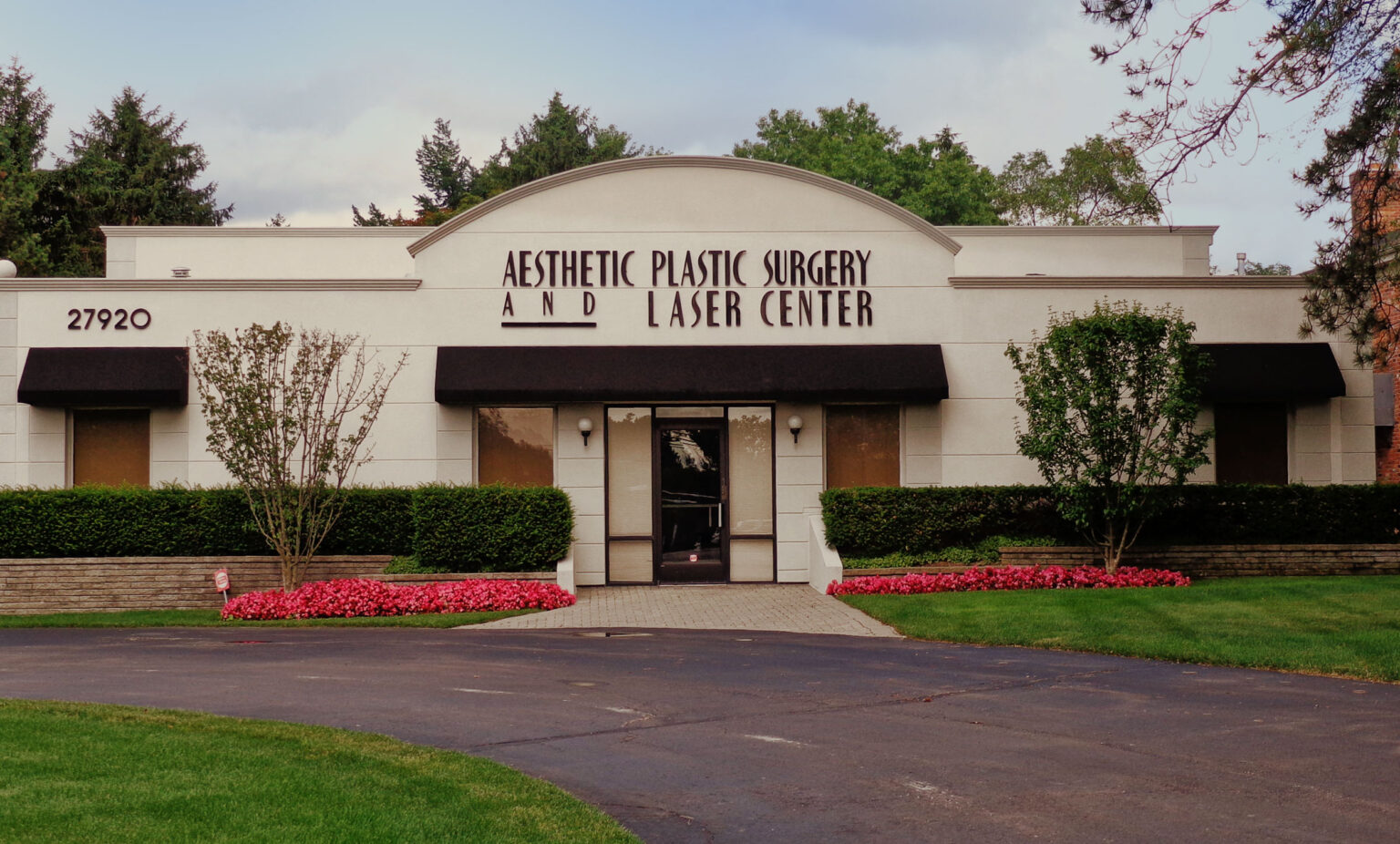
Aesthetic Plastic Surgery & Laser Center, Michelle Hardaway M.D.
27920 Orchard Lake Rd, Farmington Hills, MI 48334, United States
+1 248-221-1957
FAQ About Liposuction Michigan
Is 55 too old for liposuction?
Age 55 alone does not determine suitability. A surgeon evaluates overall health, skin quality, healing risks, and realistic goals. A personal consultation is needed to assess candidacy and discuss alternatives.
What happens 10 years after liposuction?
Contour improvements can last, especially with stable weight. Aging, pregnancy, and weight changes can alter the appearance over time. Results vary, and liposuction does not prevent future body changes.
Can lipo get rid of an apron belly?
Liposuction reduces localized fat but does not remove hanging excess skin. An apron belly may require assessment for a skin-removal procedure instead of, or alongside, fat removal. A qualified plastic surgeon can explain appropriate options and their risks.