The Ultimate Beginner’s Guide to Liposuction Michigan
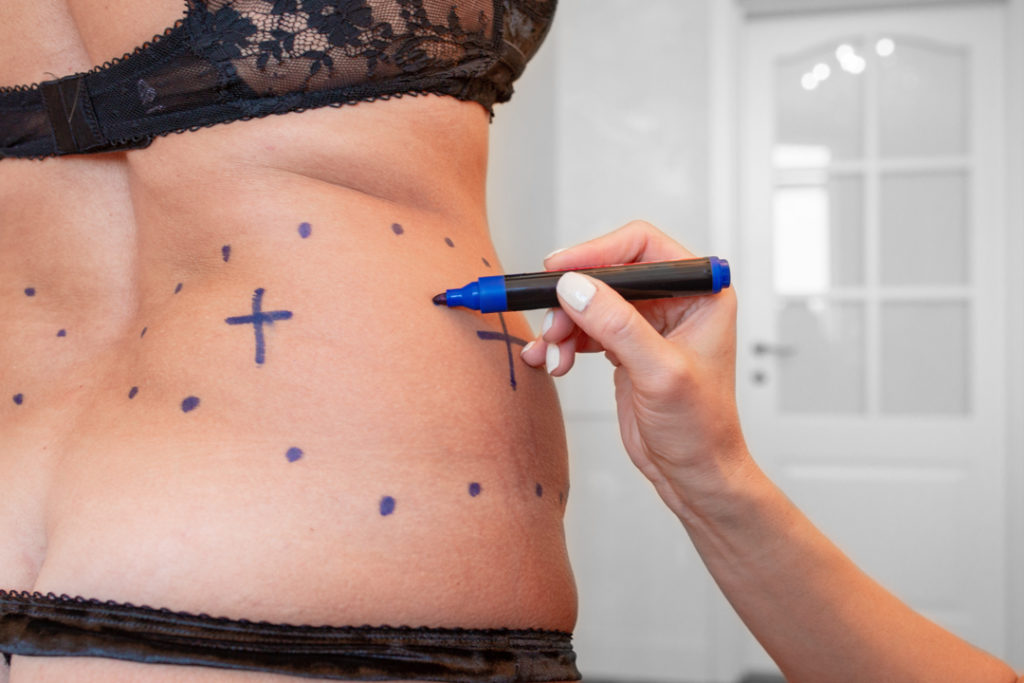
Liposuction has a way of attracting both intense curiosity and intense misunderstanding. Some people see it as a shortcut. Others assume it is only for celebrities or people chasing dramatic transformations. In practice, it is usually much more grounded than that. Most patients who ask about liposuction are not trying to become someone else. They want to refine a shape that has resisted diet and exercise, smooth a proportion that has bothered them for years, or feel more comfortable in clothes that should fit better than they do.
If you are researching Liposuction Michigan options for the first time, the sheer amount of conflicting information can make the process harder than it needs to be. Surgical techniques vary. Recovery stories differ. Pricing can seem opaque. Even the phrase “good candidate” gets thrown around so often that it stops being useful. A beginner’s guide should clear that fog, not add to it.
The real value of liposuction lies in contouring. It is not primarily a weight-loss operation. It does not replace healthy habits. What it can do, when planned well and performed well, is remove stubborn pockets of fat and improve the way the body’s proportions look from multiple angles. That distinction matters, because expectations shape satisfaction more than almost anything else.
What liposuction actually does
Liposuction removes localized fat deposits through a thin tube called a cannula. The surgeon makes small incisions, loosens the fat, and suctions it out. That sounds straightforward, but the details determine the result. The angle of the cannula, the amount removed, the quality of the overlying skin, and the patient’s natural anatomy all influence the final contour.
The areas most commonly treated include the abdomen, flanks, thighs, hips, upper arms, back, under the chin, and sometimes the chest in men. Some patients treat one area. Others combine two or three areas in a single operation, depending on their goals, their health, and how extensive the treatment needs to be.
A common example is the patient who maintains a stable weight, works out consistently, but still carries fullness along the lower abdomen and love handles. Another is the woman whose outer thighs create a silhouette she has disliked since her twenties, even though the rest of her frame is lean. In both cases, the issue is not necessarily overall body fat. It is distribution.
That is why liposuction works best for shaping, not for dropping large amounts of weight. The scale may change somewhat, but most satisfied patients notice their progress in photographs, clothing fit, and body proportion long before they notice it in numbers.
Why people in Michigan often start considering it
Geography does not change human anatomy, but lifestyle and climate can shape how people think about their bodies and surgeries. In Michigan, there is a very practical mindset about elective procedures. Many patients spend months researching, ask direct questions, and want honest explanations about downtime, seasonal timing, and whether the procedure is truly worth it.
The weather also affects planning more than people expect. Compression garments are usually easier to tolerate in cooler months than during peak summer humidity. Some patients schedule surgery in fall or winter because they can recover in looser layers and return to social activities by spring or summer. Others plan around lake trips, weddings, or work cycles. That might sound like a small logistical detail, but timing influences comfort, recovery stress, and even emotional readiness.
It is also common for patients in Michigan to ask how soon they can get back to driving in snowy conditions, lifting groceries, managing stairs, or returning to physically demanding work. These are practical questions, and they matter. Recovery is never only medical. It is logistical.
Who tends to be a good candidate
A strong candidate for liposuction is usually in good general health, near a stable weight, and bothered by specific areas of fat that have not improved despite consistent effort. Good skin elasticity helps, because the skin needs to contract smoothly over the newly contoured area. Younger patients often have an easier time with that, but age alone is not the deciding factor. I have seen patients in their fifties and sixties with excellent skin quality and realistic expectations do very well.
The less ideal candidate is someone hoping liposuction will solve loose skin, major weight issues, or broader dissatisfaction with appearance. Liposuction cannot tighten heavily stretched skin the way a tummy tuck can. It also cannot correct every contour problem if the underlying issue is muscle separation, excess skin, or anatomy that simply needs a different surgical approach.
Weight stability deserves special attention. If someone is actively losing or gaining weight, the best answer is often to wait. A body in transition is harder to contour predictably. Results hold up better when the patient’s habits and weight are steady.
Emotional readiness matters too. The early recovery period includes swelling, bruising, numbness, and days when the treated area looks worse before it looks better. Patients who understand that temporary awkward stage tend to cope better than those who expect an immediate polished result.
The consultation matters more than most people realize
A consultation is not just a price quote with photos. It is where the entire logic of the operation should become clear. A good consultation feels educational. The surgeon should assess your skin quality, fat distribution, medical history, and goals, then explain what liposuction can improve and where its limits are.
One of the biggest green flags is specificity. Vague promises are easy. Useful planning is more precise. For example, a surgeon might explain that the lower abdomen can likely be flattened, the flanks can be narrowed, but the upper central abdomen may still project somewhat because of internal fat or abdominal wall structure. That kind of honesty helps patients understand what “improvement” really looks like.
Photos are often reviewed during consultation, and they can be helpful if used correctly. The goal is not to compare your body to a stranger’s. It is to show the range of possible outcomes in patients with somewhat similar tissue quality and anatomy. Two people can have the same weight and completely different results because their skin, frame, and fat distribution differ so much.
Here are a few useful questions to bring to a consultation:
- Am I a good candidate for liposuction alone, or would another procedure address my concerns better?
- Which areas do you recommend treating, and which areas would you leave alone?
- What kind of anesthesia will be used, and where will the procedure take place?
- What should I expect during the first two weeks of recovery?
- If my skin does not contract as much as hoped, what would that mean for the final result?
That last question is especially important. Patients often focus on how much fat can come out. In practice, the quality of the skin envelope can matter just as much.
Understanding the main techniques
Not every liposuction procedure is the same. You will hear terms like tumescent liposuction, power-assisted liposuction, ultrasound-assisted liposuction, and laser-assisted liposuction. The names can make the process sound more mysterious than it is.
Tumescent liposuction refers to the use of a fluid solution injected into the treatment area before fat removal. This solution typically helps with bleeding control, pain reduction, and easier fat extraction. It is the foundation of many modern liposuction procedures.
Power-assisted liposuction uses a cannula that moves in a rapid, controlled way to help the surgeon remove fat more efficiently. Many surgeons like it for fibrous areas such as the back or male chest, where manual movement alone can be more physically demanding and less precise.
Ultrasound-assisted and laser-assisted approaches use energy to help break down fat before or during removal. In certain cases, they can be useful, especially in more fibrous tissue or revision surgery. But no device automatically guarantees a better result. Technique, judgment, and patient selection matter more than branding. It is easy to get distracted by marketed terminology. Ask why a specific method is recommended for your anatomy, not whether it sounds advanced.
Areas that respond especially well
Some body regions are particularly rewarding because the change shows clearly without requiring extreme fat removal. The flanks are a classic example. Even a moderate reduction there can make the waist appear narrower and the overall torso more athletic. The submental area, under the chin, is another high-impact zone. A small amount of fat removal in the neck can sharpen the jawline in a way patients notice every day in mirrors and video calls.
The upper arms can improve nicely too, but this is where skin elasticity becomes a central issue. If the skin is firm, liposuction may create a leaner arm contour. If there is significant looseness, removing fat alone can sometimes make the hanging skin more obvious. This is one of those edge cases where a candid conversation matters more than optimism.
Inner and outer thighs can also be excellent targets, especially for patients who feel that disproportion in pants and dresses. The challenge is balance. Overaggressive treatment can lead to unevenness or unnatural transitions. Skilled contouring often means knowing when to stop.
What liposuction cannot fix
This is where many beginners save themselves frustration. Liposuction does not treat cellulite reliably. It does not tighten a heavily stretched abdomen after major weight loss or multiple pregnancies. It does not strengthen abdominal muscles. It does not improve every irregularity that appears when you sit, bend, or twist. Human bodies are not motionless sculptures.
There is also a limit to how much fat should be removed safely in one operation. The exact amount depends on the patient, the setting, and the surgeon’s judgment. More is not always better. In fact, chasing maximal removal can increase the risk of contour irregularities, prolonged swelling, and a result that looks overdone rather than refined.
A surprisingly common misconception is that fat will simply “move” to another area if you gain weight after surgery. Fat does not literally relocate. However, if weight is gained later, remaining fat cells in untreated and treated areas can enlarge. That is why liposuction results look best and last longest when patients maintain stable habits.
Anesthesia, setting, and safety
Liposuction may be performed under local anesthesia, sedation, or general anesthesia, depending on the scope of treatment. A small under-chin case is very different from a multi-area abdomen, flanks, and thigh procedure. Patients sometimes assume local anesthesia is always safer because it sounds less serious, but the safer choice is the one appropriate for the extent of surgery and the patient’s health.
The setting matters. Accredited surgical facilities and qualified anesthesia professionals are not glamorous topics, but they are central to safety. So are preoperative instructions, medication review, smoking cessation, and clear screening for health conditions that increase surgical risk.
One detail patients sometimes overlook is nicotine. Smoking and vaping can interfere with circulation and healing. Even procedures involving tiny incisions benefit from good blood flow. If a surgeon tells you to stop nicotine before and after surgery, that is not a suggestion for ideal patients. It is a real safety and healing issue.
What recovery actually feels like
Recovery from liposuction is often more manageable than people fear, but usually less effortless than social media implies. The first few days tend to feel sore, tight, swollen, and stiff. Many patients describe it as a deep bruise combined with post-workout tenderness. Getting up from a chair, turning in bed, or reaching overhead can feel surprisingly awkward if the treated area is large.
Drainage from incision sites can occur early on, especially after tumescent infiltration. Compression garments are commonly used to help control swelling and support the tissues as they settle. Bruising may be dramatic in some people and minimal in others. Both can be normal.
The emotional side of recovery deserves attention. Swelling can distort the very shape you were hoping to improve, at least temporarily. A lower abdomen may look puffy for weeks. The flanks may feel firm or lumpy before they soften. Numb patches can linger longer than patients expect. None of that automatically means something is wrong. Healing tends to move in stages, not a straight line.
Most people can return to desk work within several days to a week, depending on the extent of surgery and how they feel. More physical jobs require more caution. Exercise is usually resumed gradually, not all at once.
A practical recovery rhythm often looks like this:
- During the first few days, focus on walking lightly, staying hydrated, and following garment and medication instructions carefully.
- Over the first two weeks, expect swelling and bruising to remain visible even as basic mobility improves.
- In the following several weeks, tenderness fades, firmer areas begin to soften, and clothing fit often improves before the mirror fully catches up.
- Over a few months, residual swelling continues to settle and the contour becomes more defined.
- Final refinement can take several months, especially in larger treatment areas.
That timeline frustrates impatient patients, but it is normal. Surgery changes the body quickly. The body reveals those changes slowly.
Scarring and incision size
One of the more reassuring aspects of liposuction is that incisions are usually small. They are often placed in natural creases or discreet spots when possible. That said, “small” does not mean invisible on day one. Early scars can look pink or slightly raised before maturing.
Scar quality varies by skin type, genetics, and aftercare. Some people heal with barely noticeable marks. Others form more visible scars even after meticulous technique. If you have a history of thick or dark scars, bring that up at the consultation. It is a better conversation to have before surgery than after.
Cost in Michigan and what affects it
Patients searching for Liposuction Michigan providers often want a clean number right away. Real pricing is rarely that simple, because cost depends on the number of areas treated, the complexity of contouring, the surgical facility, anesthesia, and whether the procedure is combined with anything else.
A smaller single-area treatment may cost significantly less than a multi-area body contouring procedure. Some offices quote by area, others by surgical time or by the overall plan. Neither approach is automatically better, but itemized clarity helps. Ask what the quote includes. Garments, facility fees, anesthesia, follow-ups, and revision policies should be explained in plain language.
The lowest quote is not always the best value. A bargain procedure that produces contour irregularities or requires revision can become the most expensive option of all. In aesthetic surgery, value comes from sound judgment, technical consistency, and appropriate follow-up, not from a rock-bottom number.
Choosing a surgeon without getting overwhelmed
Experience shows up in subtle ways. It is not only how many procedures someone has done, though that matters. It is also how they evaluate anatomy, how honestly they discuss limitations, how their before-and-after results hold up across different body types, and how their staff manages communication before and after surgery.
Board certification in the relevant specialty is a solid starting point. Beyond that, look for consistency rather than flashy outliers. A surgeon whose results repeatedly look balanced, smooth, and proportional is often a safer bet than one whose gallery includes a few dramatic transformations surrounded by less predictable work.
You should also pay attention to whether the surgeon seems willing to say no. That may sound counterintuitive, but restraint is a sign of professionalism. If your skin quality is poor or your goals are unrealistic, the best surgeon may redirect you toward a different procedure or advise against surgery altogether.
The most common fears beginners have
People rarely say only, “I want smaller love handles.” They say, “I do not want to look botched.” Or, “What if I wake up and regret it?” Or, “What if nothing really changes?” These are reasonable concerns.
The fear of looking unnatural usually comes from seeing poor results online, often with visible dents, asymmetry, or overaggressive fat removal. Thoughtful liposuction should not announce itself. The best results often lead friends to say, “You look great,” without identifying exactly why.
The fear that nothing will change tends to come from either mild baseline fullness or unrealistic expectations. During consultation, an honest surgeon should tell you whether your concern is substantial enough for surgery to be worthwhile. Sometimes the answer is yes, with a clear benefit. Sometimes the likely improvement is so modest that surgery may not justify the expense and recovery.
Regret is harder to predict, but it becomes less likely when the patient has a specific, long-standing concern rather than a vague hope of becoming happier overall. Surgery can improve contour. It cannot repair stress, relationship problems, or a chronically critical self-image.
How to prepare without overcomplicating it
Preparation tends to go best when patients keep it practical. Arrange rides if needed. Set up a recovery space with easy access to water, medications, and loose clothing. Buy groceries in advance. If you have children or physically demanding responsibilities, line up help for the first few days. Recovery is smoother when daily life does not keep colliding with healing.
Photos taken before surgery can also be surprisingly Liposuction Michigan Aesthetic Plastic Surgery & Laser Center useful. Not for social media, for perspective. Early Liposuction Michigan swelling can distort memory. Patients sometimes forget just how much fullness was present before surgery until they compare side-by-side images a few months later.
Living with the results
When liposuction is done for the right reasons, the results often feel less dramatic day to day than they look over time. A patient notices that pants button more easily. A fitted shirt no longer catches at the flanks. The waist appears cleaner in a mirror from the side. These are quiet wins, but they are usually the ones that matter most.
Long-term satisfaction depends on maintaining your weight within a reasonable range. You do not need perfection. Bodies fluctuate. But large weight swings can blur the contour gains that made surgery worthwhile in the first place. The patients who remain happiest years later are usually the ones who treated surgery as one part of a broader commitment to stable habits.
For anyone exploring Liposuction Michigan practices, the best starting point is not hype, before-and-after obsession, or discount pricing. It is a clear understanding of what bothers you, what the procedure can realistically change, and whether your anatomy matches your goals. Liposuction is not magic, and it does not need to be. Done thoughtfully, it can be a precise, effective tool for reshaping stubborn areas that have not responded to effort. For the right patient, that is often more than enough.
Aesthetic Plastic Surgery & Laser Center, Michelle Hardaway M.D.
27920 Orchard Lake Rd, Farmington Hills, MI 48334, United States
+1 248-221-1957
FAQ About Liposuction Michigan
Is 55 too old for liposuction?
Age 55 alone does not determine suitability. A surgeon evaluates overall health, skin quality, healing risks, and realistic goals. A personal consultation is needed to assess candidacy and discuss alternatives.
What happens 10 years after liposuction?
Contour improvements can last, especially with stable weight. Aging, pregnancy, and weight changes can alter the appearance over time. Results vary, and liposuction does not prevent future body changes.
Can lipo get rid of an apron belly?
Liposuction reduces localized fat but does not remove hanging excess skin. An apron belly may require assessment for a skin-removal procedure instead of, or alongside, fat removal. A qualified plastic surgeon can explain appropriate options and their risks.