What Are the Most Common Treatment Areas in Liposuction Farmington Hills?
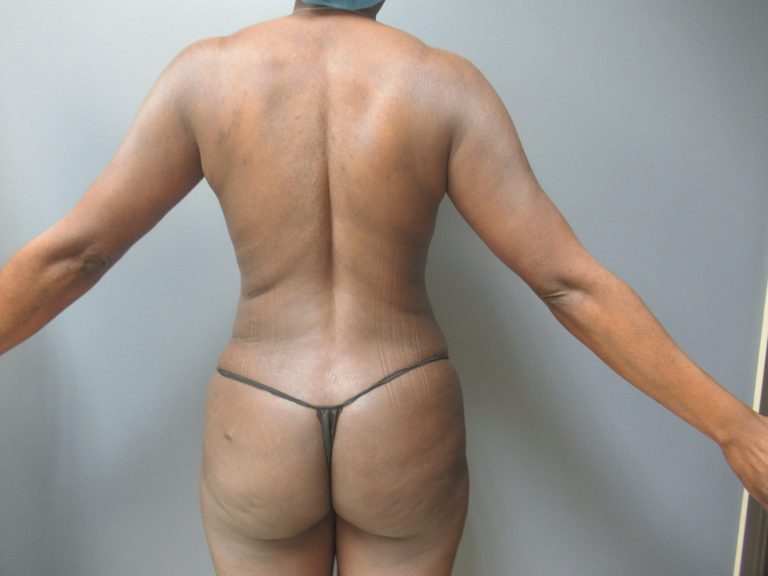
When people ask about liposuction, they are usually not asking a general question. They already have a specific area in mind. It might be the lower abdomen that never seems to flatten after pregnancy, the outer thighs that make pants fit awkwardly, or the fullness under the chin that appears in every profile photo. In practice, liposuction conversations are almost always local, not abstract. Patients do not come in asking to lose a vague amount of fat. They come in asking whether a particular contour can be improved.
That is why the most common treatment areas matter. Liposuction is not one procedure applied the same way everywhere on the body. Different regions hold fat differently, respond differently, and create different aesthetic challenges. The technique used on a neck is not the same as the technique used on the abdomen, and the recovery experience from the flanks does not feel exactly like the recovery from the inner thighs.
For patients researching Liposuction Farmington Hills options, understanding the most frequently treated areas helps set realistic expectations. It also helps separate what liposuction does well from what it cannot fix. Liposuction can remove stubborn pockets of fat and improve proportion. It does not tighten severe loose skin, rebuild abdominal muscles, or replace weight loss efforts. The best outcomes happen when the treatment area, skin quality, body shape, and goals all line up.
Why certain body areas are treated more often than others
Some places on the body seem especially resistant to diet and exercise. That is not just a matter of frustration or perception. Fat distribution is influenced by genetics, hormones, age, and sex. Two people can have the same weight and very different fat patterns. One person stores extra fullness in the midsection, another in the hips and thighs, and another under the chin or around the upper arms.
The most common liposuction areas tend to share a few characteristics. First, they are prone to stubborn localized fat. Second, even modest fullness in these spots can noticeably affect body proportions. Third, they are areas where contour changes can make clothing fit better and make the whole silhouette look more balanced.
Another practical reason certain areas are popular is that they are often treatable with predictable results in the right candidate. Surgeons tend to favor regions where removing a reasonable amount of fat can reveal a cleaner contour without creating irregularity. That does not mean the procedure is simple. It means experience has shown these areas can respond well when the anatomy and skin quality are favorable.
The abdomen, still the most requested area
The abdomen is one of the most common treatment areas in liposuction, and for good reason. Abdominal fullness is highly visible, often emotionally charged, and frequently resistant to effort. Patients may be active, eat carefully, and still notice a soft lower belly or generalized fullness through the central abdomen.
What makes the abdomen more nuanced than many people expect is that not all belly fullness is the same. Liposuction removes subcutaneous fat, the fat just beneath the skin. It does not remove visceral fat, which sits deeper around internal organs. A patient with good skin tone and a distinct layer of pinchable fat may see a very nice improvement. A patient whose fullness is mostly visceral may not get the dramatic flattening they imagined, even if liposuction is technically successful.
This distinction comes up often in consultation because the mirror can be misleading. Someone may assume their entire abdominal projection is from surface fat, when in reality part of it comes from muscle separation, bloating, posture, or deeper fat. That does not make them a poor candidate overall, but it does change the conversation.
The upper and lower abdomen can also behave differently. Many patients carry more stubborn fullness below the belly button. That lower abdominal pooch is one of the most common complaints, especially after pregnancy or weight fluctuations. In the right patient, liposuction can refine this area considerably. If there is significant skin laxity or muscle separation, though, a tummy tuck may address the problem more completely.
The flanks, where small reductions can make a big difference
If the abdomen is the most requested treatment area, the flanks are close behind. Some patients call them love handles, others just refer to the sides of the waist. Whatever the label, flank fullness can blur the transition between the waist and hips. That matters because waist definition is one of the strongest visual cues of body shape.
Flank liposuction often produces high patient satisfaction because the contour change can be obvious even when the fat volume removed is not massive. A more tapered waist can make the torso look leaner from both the front and the back. Clothing often fits better too, especially fitted dresses, tailored shirts, and jeans.
The flanks are also frequently treated together with the abdomen rather than as a standalone area. That combination tends to create a more natural result. Removing fat from the front without addressing the sides can leave the midsection looking incomplete. Experienced surgeons think in three dimensions. They are not just reducing fullness in isolated zones, they are shaping transitions.
There is a judgment call here, though. Overaggressive removal in the flank region can lead to contour hollows or unevenness, particularly if skin recoil is limited. The goal is not to carve out the waist unnaturally. It is to restore proportion.
Thighs, especially outer and inner contours
The thighs are another common reason patients seek Liposuction Farmington Hills consultations. For some, the issue is the outer thighs, where fullness creates the classic saddlebag shape. For others, it is the inner thighs, which can rub, affect how pants fit, and create discomfort during exercise or in warm weather.
Outer thigh liposuction is often about silhouette. Even moderate fullness in this area can make the hips appear wider and disrupt the line from waist to knee. When treated well, the legs can look longer and more balanced. Patients often notice this not only in the mirror but when they put on straight-leg pants or skirts that previously caught at the hips.
Inner thigh treatment is a little different. Here, both appearance and comfort may matter. Some women, and some men as well, describe persistent chafing Liposuction Farmington HIlls even at stable weights. Liposuction can reduce bulk and improve spacing, but this area requires restraint. Taking too much can create an unnatural gap or waviness, especially if the skin is thin or less elastic.
The anterior thighs, the front of the legs, are less commonly a primary target but may be blended in select cases. The same goes for the knees, which can sometimes hold a small but visually distracting fat pad. These are detail areas, not the headline regions most patients think of first, but in contour surgery details matter.
Hips and lower body shaping
Depending on anatomy, some patients refer to hip fullness separately from the flanks or thighs. In reality, these regions often overlap visually. Lower body contouring is rarely about one isolated pocket. It is about how the waist, hips, outer thighs, and buttock region relate to one another.
This is where artistic judgment becomes important. A technically competent fat removal is not enough if the overall shape is not considered. For example, reducing the outer thigh without preserving enough smooth transition near the hip can flatten the frame. On the other hand, carefully reducing excess bulk while maintaining natural curvature can create a more athletic, proportional Liposuction Farmington HIlls appearance.
Patients sometimes bring in photos of celebrities or heavily edited online images as reference points. That can be useful for discussing preferences, but every lower body is different. Pelvic width, femur position, gluteal shape, and skin thickness all influence what is achievable. Honest planning usually leads to better satisfaction than trying to force someone into a shape their anatomy does not support.
Upper arms, a common concern with very specific limitations
Arm liposuction is popular, particularly among patients bothered by fullness between the shoulder and elbow. This area becomes more noticeable in sleeveless clothing, photographs, and side views. For many people, arm fullness persists even when they are otherwise fairly lean.
The challenge with the upper arms is that skin quality matters enormously. Fat removal can improve contour, but it can also expose laxity that was partially hidden by the fat itself. A patient with firm skin and a defined fat layer may do quite well with liposuction alone. A patient with more significant loose skin may need to consider whether the trade-off is worthwhile. In some cases, an arm lift addresses the issue more effectively.
This is one of those areas where patient goals must be specific. If the goal is a more streamlined arm that looks better in fitted sleeves, liposuction may be enough. If the goal is to eliminate hanging skin, liposuction alone will likely disappoint. Good consultation is less about selling a procedure and more about matching the method to the problem.
The neck and under-chin area, small area, high visibility
Few areas respond as dramatically, or as unforgivingly, as the submental area under the chin. Even a modest amount of fat here can soften the jawline and make the face look heavier than it is. Because the face and neck are constantly visible, small contour improvements can have an outsized effect.
Submental liposuction is common among both younger and older patients. Younger patients often have good skin elasticity, which helps the area contract cleanly after fat removal. Older patients may also benefit, but only if the skin and deeper neck structures support a meaningful improvement. If there is significant muscle banding or loose skin, fat removal alone may not create the crisp angle the patient wants.
This area also requires a conservative hand. The neck is not a place for aggressive suctioning in hopes of creating a dramatic result. The best outcomes look natural, as if the patient simply has a more defined neck and chin. When overdone, the result can look skeletonized or uneven.
A common misconception is that neck liposuction is only for older adults. In reality, genetics play a large role. Plenty of younger adults at stable weights carry submental fullness that has little to do with age. It can run in families and often does not respond much to exercise.
Back and bra line fullness
Back liposuction does not get the same attention as abdominal or thigh contouring, but it is a very common request. Fullness along the upper back, around the bra line, or across the posterior waist can create visible rolls even in relatively fit individuals. These areas also show through clothing in a way that bothers many patients more than they expected.
The upper back and bra roll region tend to be especially common among women. This is partly due to how bras compress tissue and partly due to normal fat distribution patterns. A small amount of targeted liposuction can make tops, dresses, and bras fit more smoothly. Patients often describe this as one of those results they notice every single day, not just in photos.
The lower back can be treated too, often alongside the flanks, to improve the transition into the waist and hips. Once again, proportion matters more than raw volume removed. The goal is smoother lines, not excessive hollowing.
Chest treatment in men
Male patients seeking liposuction often ask about the abdomen and flanks first, but the chest is another common area. In some men, chest fullness is mostly fatty and responds well to liposuction. In others, glandular tissue also contributes, which changes the surgical plan.
That distinction matters because true gynecomastia often involves firm glandular tissue that liposuction alone may not remove adequately. Men considering chest contouring benefit from a careful exam rather than assuming all chest fullness is simple fat. When the right technique is used, the effect can be substantial, especially for confidence in fitted shirts, athletic clothing, and shirtless situations.
Male contouring also differs aesthetically from female contouring. Men typically want flatter, cleaner planes and a stronger waist-to-chest relationship, rather than the curves that many women seek. The same tool, liposuction, can serve very different design goals depending on the patient.
Not every “problem area” is best treated with liposuction
One of the more important parts of any liposuction discussion is recognizing when another procedure, or no procedure at all, is the better fit. Patients sometimes fixate on a spot that bothers them without realizing the visible issue is not primarily fatty tissue.
Here are a few common examples where judgment matters:
- A lower abdomen that protrudes because of muscle separation may need abdominal repair more than fat removal.
- Loose, crepey skin on the arms or neck may not tighten enough after liposuction alone.
- Fullness caused mostly by visceral abdominal fat will not flatten the same way surface fat does.
- Cellulite and dimpling can persist even after fat is reduced.
- Major weight loss goals are better addressed before contouring, not through liposuction itself.
Those distinctions are not disappointing when explained early. They are useful. Good candidates tend to appreciate candor, especially when they are investing time, money, and recovery into a procedure.
How surgeons decide which areas to combine
Many liposuction cases involve more than one treatment area. Combining regions can create a more harmonious result and may be more efficient from a planning and recovery standpoint. That said, more is not always better. The decision depends on total treatment volume, operative time, patient safety, and whether the added areas truly improve the final shape.
The most common combinations usually revolve around natural contour units. Abdomen plus flanks is a classic example. Inner and outer thighs may be paired in select cases. Chin and jawline refinement may be combined with other facial or neck procedures when appropriate.
A simple way to think about combined treatment is to ask whether the areas visually belong together. If contouring one zone makes an untreated adjacent zone stand out more, combination treatment may make sense. If adding an area creates complexity without meaningful aesthetic gain, restraint is often wiser.
Patients often assume that if they are already having surgery, they should address every concern at once. In real practice, a more selective plan frequently leads to a better experience and a cleaner result.
What patients often overlook about recovery by area
Recovery is another reason it helps to understand the common treatment zones individually. Different areas swell differently, feel different, and affect day-to-day movement in different ways. Abdominal and flank liposuction can make bending, twisting, and getting comfortable in bed temporarily awkward. Inner thigh treatment can make walking feel strange for a few days. Arm contouring may affect how clothing feels and how freely someone reaches overhead. Chin liposuction has a smaller physical recovery footprint for many patients, but because it is on the face, every bit of swelling feels highly visible.
Most patients are less bothered by pain than by stiffness, swelling, drainage in the first day or two, and the slow pace of seeing the final contour. Liposuction results are rarely immediate in the way people imagine. The shape improves in stages as swelling settles and tissues contract. Some areas reveal their final refinement sooner than others.
This is one reason experienced surgeons spend time on expectation setting. A technically good procedure can still feel emotionally frustrating if a patient expects instant smoothness in the first week. Recovery is part of the treatment, not an afterthought.
The role of skin quality in every treatment area
If there is one theme that connects all the common liposuction areas, it is skin behavior. Fat can be removed with precision, but the quality of the overlying skin strongly influences the final appearance. Elastic skin tends to contract and redrape more cleanly. Thinner, looser, sun-damaged, or heavily stretched skin may not.
Patients who have had pregnancies, large weight changes, or simply normal age-related tissue changes often need a more layered discussion. Sometimes liposuction is still the right choice, but the expected endpoint should be contour improvement, not perfection. Sometimes combining liposuction with a lifting procedure gives a more satisfying result.
This is also why photos online can be misleading. The before-and-after images that stand out most are often cases with excellent skin recoil and anatomy that responds beautifully. Those cases are real, but they are not universal.
What this means for someone considering Liposuction Farmington Hills
The most common treatment areas in liposuction are common because they tend to bother people the most and because they can often be improved meaningfully when chosen well. The abdomen, flanks, thighs, upper arms, under-chin area, back, and in some men the chest, make up the bulk of what surgeons see every week. Yet even within those familiar areas, no two patients are exactly the same.
For someone exploring Liposuction Farmington Hills providers, the smartest question is not simply, “Can this area be suctioned?” A better question is, “What is actually creating this contour, and what method matches it best?” That shift in thinking leads to more realistic planning and usually better outcomes.
A thoughtful consultation usually covers a few practical points:
- Whether the fullness is truly localized subcutaneous fat
- How much skin contraction can reasonably be expected
- Which adjacent areas affect the overall shape
- What trade-offs come with being more or less aggressive
- How recovery will feel for the specific region being treated
Those are the details that matter in real life. They determine whether the result looks natural, whether clothing fits the way the patient hoped, and whether the change holds up months after the swelling fades. Liposuction is often described as fat removal, but in experienced hands it is really contour surgery. The most commonly treated areas are simply the places where that contour work tends to make the biggest difference.
Aesthetic Plastic Surgery & Laser Center, Michelle Hardaway M.D.
27920 Orchard Lake Rd
Farmington Hills, MI 48334
(248) 221-1957
FAQ About Liposuction Farmington Hills
What disqualifies you from getting liposuction in Farmington Hills?
A surgeon may recommend postponing or avoiding liposuction if a health condition, medication, or nicotine use raises the risk of surgery or poor healing. A consultation is needed to assess your medical history and whether the procedure fits your goals.
Can liposuction remove 20 pounds?
Liposuction is a body contouring procedure for localized fat. It is not a weight loss treatment, and a specific number of pounds is not a safe or useful target. The surgeon determines how much can be removed safely for each patient.
What are the risks of liposuction?
Risks include infection, changes in sensation, uneven contours, and complications from anesthesia or blood clots. A plastic surgeon can explain which risks apply to you and what to expect during recovery.