Why People Choose Liposuction Farmington Hills for Stubborn Fat
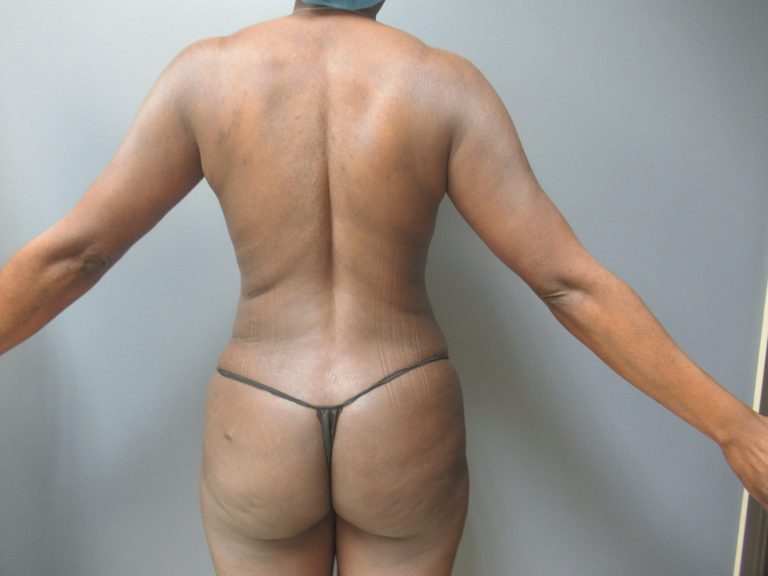
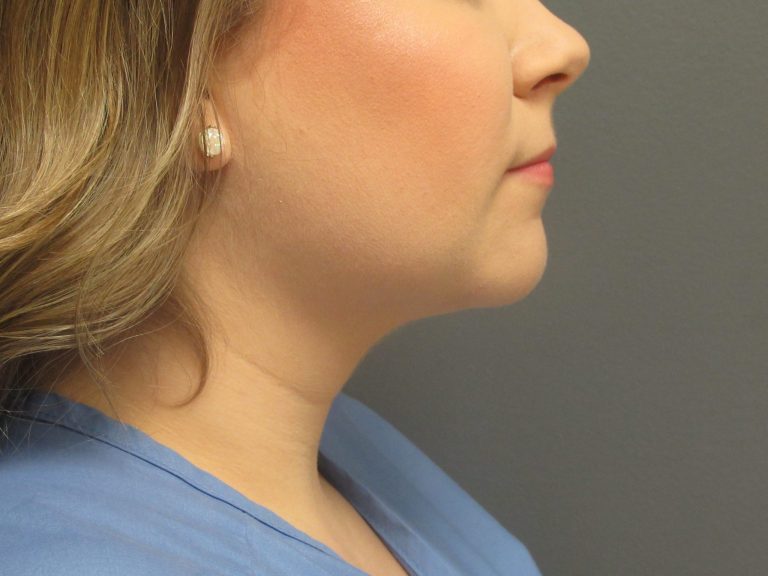
Some body changes respond beautifully to consistent effort. A thoughtful diet trims weight. Strength training reshapes posture and muscle tone. Walking every day improves energy, sleep, and blood sugar. Then there is the other category, the one many patients describe with equal parts frustration and disbelief: fat that simply does not budge.
It settles in predictable places. The lower abdomen after pregnancy. The flanks despite years of clean eating. The outer thighs that stay proportionally fuller than the rest of the frame. The area under the chin that resists every attempt to lean out. People often arrive at a consultation already doing many things right. They are active, reasonably healthy, and not looking for a shortcut to overall weight loss. They want a more proportional result than lifestyle changes alone have delivered.
That is the real reason interest in Liposuction Farmington Hills remains strong. For the right candidate, liposuction is not about replacing discipline. It is about addressing local fat deposits that are stubborn, genetically influenced, or structurally resistant to change.
Stubborn fat is not just about willpower
One of the most persistent misconceptions about liposuction is that it exists for people who have not tried hard enough. Clinical reality looks very different. Body fat distribution is influenced by sex hormones, age, genetics, previous weight fluctuations, and skin quality. Two people can follow similar habits and carry their weight in completely different ways.
A patient in her early forties may have excellent cardiovascular fitness yet still feel bothered by fullness through the midsection that became more noticeable after children. A man who lost 40 pounds may be proud of the scale change but still see prominent love handles every time he gets dressed. Another patient may be near a stable, healthy weight and still avoid fitted clothing because of disproportion in the thighs or upper arms.
These are not rare stories. They are common, and they explain why liposuction continues to have a place in aesthetic surgery. It solves a very specific problem: contour irregularity caused by pockets of subcutaneous fat.
It is equally important to say what it does not solve. Liposuction is not an obesity treatment. It is not a substitute for medical weight management. It will not tighten severely lax skin by itself. It will not fix visceral fat, the deeper abdominal fat around the organs that contributes to a firm, rounded belly. Patients who understand that distinction tend to be much happier with the decision and the outcome.
Why location matters when choosing a practice
People searching for Liposuction Farmington Hills are usually doing more than picking the closest office on the map. They are weighing trust, convenience, privacy, and the confidence that comes from being treated by an experienced team.
Farmington Hills appeals to many patients because it offers access to established medical practices without the logistical friction of traveling into a larger downtown setting. For working adults, parents, and professionals with demanding schedules, that matters more than outsiders might expect. Consultations, preoperative visits, the procedure itself, and several follow up appointments all fit more easily into daily life when the office is local and organized.
There is also a comfort factor. Cosmetic surgery is personal. Most people do not want a chaotic environment or an assembly line feeling. They want clear communication, realistic expectations, and a surgeon who can explain not only what can be improved, but what should be left alone. Good aesthetic judgment is often what separates a refined result from an obvious one.
A strong local reputation can play a role too. Patients frequently come in because a friend, spouse, sibling, or coworker had a smooth experience. Word of mouth does not replace credentials, but it often tells you something useful about consistency, staff communication, and how patients feel after the fact.
The most common reasons people pursue liposuction
Very few patients say, “I want liposuction because I want surgery.” What they usually say is more specific. They are tired of dressing around one area. They dislike how a certain body part looks in photographs. They have reached a stable weight and want their shape to match the effort they have put in. Or they are trying to restore proportions that changed after pregnancy or aging.
A few motivations come up repeatedly in real practice:
- a long standing pocket of fat in the abdomen, flanks, thighs, arms, back, or under the chin
- body proportions that feel out of balance despite stable weight
- frustration after weight loss when one or two areas remain disproportionately full
- a desire for clothing to fit more predictably and comfortably
- interest in body contouring with more precision than diet and exercise can provide
What is striking is how often these concerns affect ordinary daily life. Patients talk about skipping certain fabrics, tugging at tops, avoiding tucked in shirts, or feeling self conscious in swimwear long after they have made peace with the number on the scale. The emotional burden is rarely dramatic, but it can be persistent.
Good candidates usually have one thing in common
The best outcomes tend to happen in patients who are already close to their goal weight and can clearly identify what bothers them. They are not chasing a fantasy version of themselves. They are trying to improve a contour issue that has remained stable over time.
Skin quality matters here. Liposuction removes fat, but the skin has to contract over the new shape. Younger patients often have an easier time with this, though age alone does not decide the question. I have seen excellent skin recoil in patients in their fifties and looser, less predictable recoil in younger adults with stretch marks or a history of major weight changes.
Health matters too. Nicotine use, uncontrolled diabetes, clotting history, and certain medications can affect safety and healing. So can the size of the planned treatment area. A small under chin procedure and more extensive circumferential trunk liposuction are not the same undertaking.
Stable expectations may be the most important factor of all. The happiest patients usually understand that surgery can improve shape significantly without delivering machine perfect symmetry. Human bodies are asymmetrical before surgery and after surgery. The goal is improvement, not mathematical perfection.
What people often want treated
Different practices see different patterns, but several areas come up again and again in consultations for Liposuction Farmington Hills. The abdomen and flanks remain the most requested combination, partly because they affect how nearly every outfit fits. The thighs, especially outer thighs and inner thighs, are a close second for many women. Men often focus on the waistline and lower abdomen. Arms, bra line fullness, back rolls, and submental fullness under the chin are also common concerns.
The reason these areas bother people is not just aesthetics in the abstract. These zones create visible transitions. A fuller flank changes the silhouette of pants and dresses. A heavier under chin area alters the jawline in photos even at a healthy weight. Inner thigh fullness can affect comfort as much as appearance. These are practical, visible concerns, which is why patients describe them with such clarity.
The consultation is where good decisions happen
A worthwhile consultation is not a sales pitch. It is an evaluation. The surgeon should examine fat distribution, skin elasticity, muscle tone, and any existing asymmetry. They should ask about weight history, medications, smoking, past surgeries, pregnancies, and how long the concern has been present. They should also ask what the patient is hoping to wear, change, or feel, because those details reveal whether the proposed plan matches the real goal.
This is also where patients learn whether liposuction alone is enough. Sometimes it is. Sometimes it is not. For example, someone with loose abdominal skin and muscle separation after multiple pregnancies may technically have excess fat, but liposuction by itself could leave them disappointed. In that case, the honest recommendation may be a tummy tuck, or a combination approach, or even no surgery at all until weight stabilizes.
That sort of restraint is a good sign. A surgeon who says no when no is the right answer is usually more valuable than one who promises everything.
What liposuction can realistically achieve
The strongest candidates often notice three kinds of change after healing. First, the target area looks smaller. Second, the transition between body zones looks smoother or more proportional. Third, clothing fits in a way that feels easier and less restrictive. That third benefit is often underestimated, but patients mention it constantly once swelling settles.
What liposuction does not do is transform every feature at once. It cannot turn poor posture into a toned core. It cannot erase cellulite reliably. It cannot replace muscle definition that has not been built. These distinctions matter because satisfaction tends to follow realistic framing.
There is also an art to how much fat should be removed. More is not always better. Overresection can create hollows, contour irregularities, or an operated appearance, especially in areas where natural softness is part of an attractive contour. Conservative, thoughtful sculpting often ages better than aggressive debulking.
Recovery is usually manageable, but not effortless
Many patients are pleasantly surprised that recovery is more straightforward than they feared, though that should not be confused with easy. There is soreness, swelling, bruising, drainage in the early phase, and a temporary feeling that the body is not yet your own. Most people describe it as more uncomfortable than sharply painful. The sensation resembles deep muscle soreness combined with tenderness and stiffness.
Compression garments are commonly part of the process. They help with swelling and support the tissues as they settle. The treated areas can look uneven or puffy before they look refined. That is normal. Swelling resolves in stages, not all at once, and final contour often takes longer than patients expect, especially in larger treatment zones.
Most surgeons give some version of these early recovery priorities:
- walk early and regularly, even in short intervals
- wear compression as directed
- avoid strenuous exercise until cleared
- keep follow up appointments
- be patient with swelling and temporary irregularity
People with desk jobs often return within several days to a couple of weeks, depending on the extent of treatment and their pain tolerance. Physically demanding work may require more time. Social recovery and true contour recovery are different things. You may feel presentable before swelling is fully gone, and you may feel functional before the final result is visible.
Why some patients choose liposuction instead of non surgical options
Non surgical fat reduction has a place, and for carefully selected patients it can be a reasonable choice. But many people who explore body contouring ultimately choose liposuction because they want a more direct, measurable change. Liposuction physically removes fat during one procedure. Non surgical treatments usually reduce fat gradually and often more modestly, with variable responsiveness between patients.
That does not make one automatically superior in every circumstance. If someone has a very small area, wants minimal downtime, and accepts that improvement may be subtle, a non surgical treatment can make sense. But patients who want more visible reshaping, especially in the abdomen, flanks, or thighs, often prefer liposuction because it offers more control over contour.
Another practical issue is repetition. Some non surgical treatments require multiple sessions to get a noticeable effect. By the time those appointments, costs, and waiting periods add up, patients sometimes realize they wanted a surgical result from the start.
The emotional side is usually quieter than people expect
There is a stereotype that cosmetic procedures are driven by vanity. In actual conversations, that framing rarely fits. Most patients speak in ordinary, grounded terms. They want to feel more comfortable in their clothes. They want their reflection to align with the healthy choices they are already making. They want one stubborn issue to stop taking up mental space.
That last point matters. A contour concern does not have to dominate someone’s life to still be worth addressing. Plenty of stable, successful adults make this decision after thinking about it for years. They are not acting impulsively. They are deciding that a long standing frustration is no longer something they want to work around.
That said, surgery is never a cure for broader dissatisfaction. When expectations are tied to a job change, a relationship rescue, or a complete overhaul of self worth, the decision usually needs more reflection. A well run practice recognizes those signals and slows the process down.
Cost, value, and what patients actually weigh
Price is part of the decision, but not usually the only part. Patients are balancing surgeon experience, facility standards, anesthesia arrangements, follow up care, time off work, and the likelihood of getting the result they want the first time.
Cheaper is Liposuction Farmington HIlls not always lower value, and higher priced does not automatically mean better. Still, body contouring is one of those areas where judgment and consistency matter enormously. Revision surgery is typically more complicated than primary surgery. When patients compare practices, they are wise to ask not just what the fee includes, but how the surgeon thinks, how the office communicates, and what the recovery support looks like.
Many experienced patients focus less on bargain hunting and more on overall confidence. They want to know who will answer questions when swelling looks uneven. They want clear postoperative instructions. They want a surgeon who notices details and does not overpromise.
Questions worth asking before moving forward
A strong consultation should leave a patient better informed, even if they decide against surgery. The most useful questions are rarely flashy. They are practical and specific. Ask how often the surgeon treats your area of concern. Ask whether your skin quality supports liposuction alone. Ask what result is realistic on your body, not on someone else’s. Ask what the first two weeks of recovery actually look like. Ask what happens if a small contour irregularity appears during healing. Those answers tell you more than marketing language ever will.
It is also worth asking to see before and after examples of patients with a body type similar to yours. Not because every result will match, but because surgical planning depends heavily on anatomy. A good match in body type, skin tone, and treatment area makes those photos more meaningful.
Why Liposuction Farmington Hills continues to appeal to patients
The appeal comes down to fit. Patients want a treatment that addresses a narrow, stubborn problem with more precision than lifestyle changes can offer. They want experienced evaluation rather than blanket promises. They want recovery guidance that feels organized and realistic. And, in many cases, they want all of that close to home.
For the right person, liposuction can be one of the more satisfying aesthetic procedures because the goal is often so clearly defined from the start. A bulge that never responded to effort becomes flatter. A waistline becomes cleaner. A neck contour sharpens. Pants fit differently. Shirts sit better. The body looks more proportional, not different in an artificial way, just more aligned with the effort the patient has already been putting in.
That is the real story behind why people seek Liposuction Farmington Hills. It is not about chasing perfection. It is about resolving a specific mismatch between how the body functions, how hard someone works to maintain it, and what certain stubborn areas continue to show back in the mirror. For patients who understand the limits, choose carefully, and go in with sound expectations, that can be a very reasonable decision.
Aesthetic Plastic Surgery & Laser Center, Michelle Hardaway M.D.
27920 Orchard Lake Rd
Farmington Hills, MI 48334
(248) 221-1957
FAQ About Liposuction Farmington Hills
What disqualifies you from getting liposuction in Farmington Hills?
A surgeon may recommend postponing or avoiding liposuction if a health condition, medication, or nicotine use raises the risk of surgery or poor healing. A consultation is needed to assess your medical history and whether the procedure fits your goals.
Can liposuction remove 20 pounds?
Liposuction is a body contouring procedure for localized fat. It is not a weight loss treatment, and a specific number of pounds is not a safe or useful target. The surgeon determines how much can be removed safely for each patient.
What are the risks of liposuction?
Risks include infection, changes in sensation, uneven contours, and complications from anesthesia or blood clots. A plastic surgeon can explain which risks apply to you and what to expect during recovery.